https://youtu.be/2_1BPW6hrRY
Tuesday, April 11, 2017

Friday, October 24, 2014
Saturday, September 27, 2014
Winged bean
http://en.m.wikipedia.org/wiki/Winged_bean
The winged bean (Psophocarpus tetragonolobus), also known as the Goa bean,asparagus pea, four-angled bean, four-cornered bean, Manila bean, Mauritius bean, and winged pea, is a tropical legume plant native to New Guinea. It grows abundantly in hot, humid equatorial countries, from the Philippines and Indonesia to India, Burma, Thailand andSri Lanka. It is widely known, yet grown on a small scale in Southeast Asia and Papua New Guinea.[1]
Winged bean is well recognized by farmers and consumers in the Asian region for its variety of uses and disease tolerance. Winged bean is nutrient rich, and all parts of the plant are edible. Leaves can be eaten like spinach, flowers can be used in salads, tubers can be eaten raw or cooked, seeds can be used in similar ways as the soybean. The winged bean is an underutilized species but has the potential to become a major multi-use food crop in the tropics of Asia, Africa and Latin America.[1]
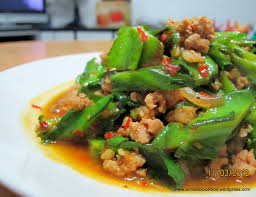

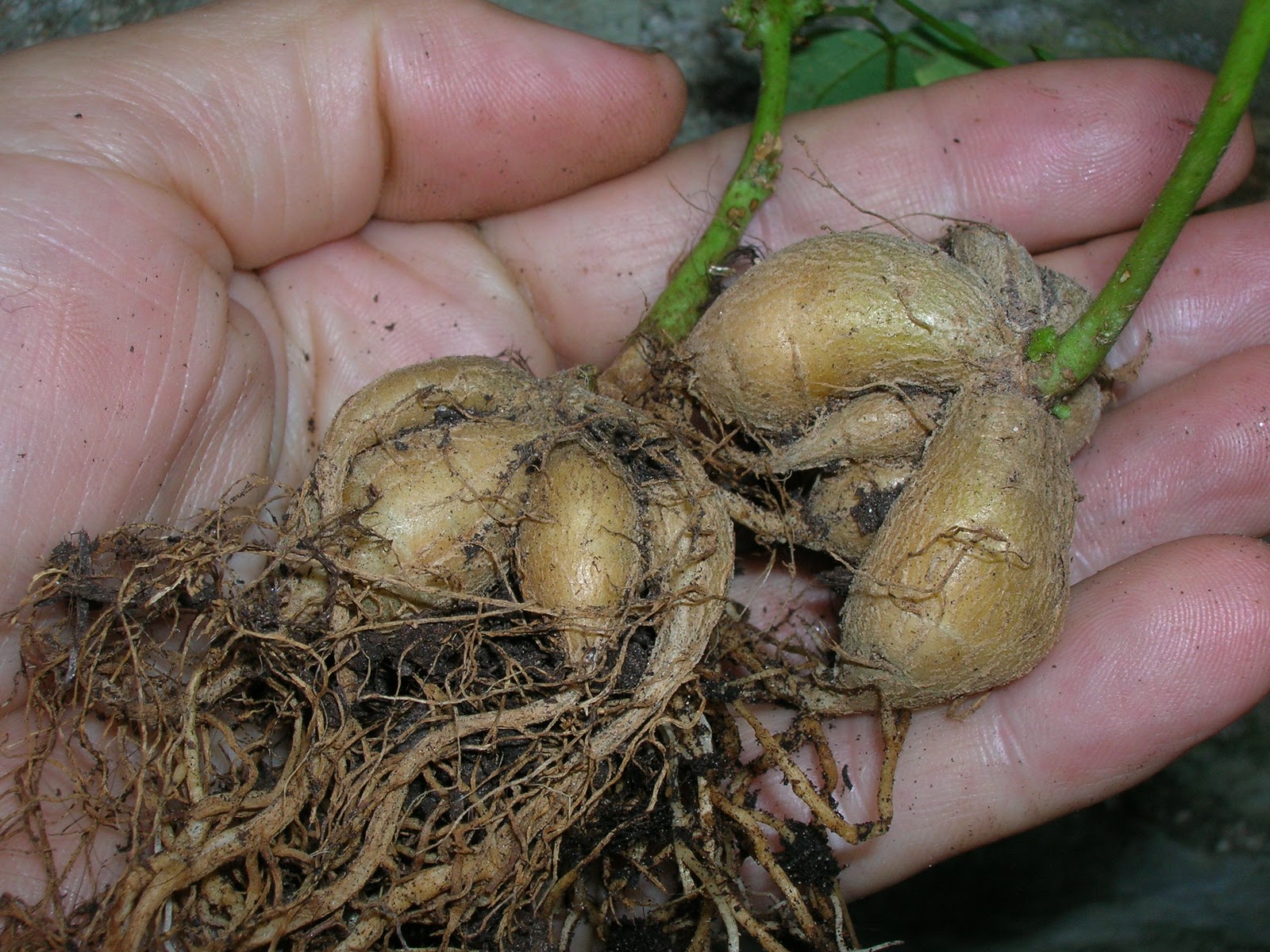
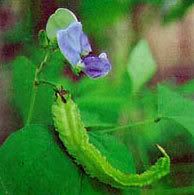


The winged bean (Psophocarpus tetragonolobus), also known as the Goa bean,asparagus pea, four-angled bean, four-cornered bean, Manila bean, Mauritius bean, and winged pea, is a tropical legume plant native to New Guinea. It grows abundantly in hot, humid equatorial countries, from the Philippines and Indonesia to India, Burma, Thailand andSri Lanka. It is widely known, yet grown on a small scale in Southeast Asia and Papua New Guinea.[1]
Winged bean is well recognized by farmers and consumers in the Asian region for its variety of uses and disease tolerance. Winged bean is nutrient rich, and all parts of the plant are edible. Leaves can be eaten like spinach, flowers can be used in salads, tubers can be eaten raw or cooked, seeds can be used in similar ways as the soybean. The winged bean is an underutilized species but has the potential to become a major multi-use food crop in the tropics of Asia, Africa and Latin America.[1]
Wednesday, December 25, 2013
GUAVA
HEALTH BENEFITS OF GUAVA-
1. Rich in Calcium, Potassium, Iron, Fiber, Vitamin A-B-C and Content Folic and Nicotinic Acid.
2. Prevents Prostate Cancer and High Blood Pressure.
3. Remedy for Prolonged Menstruation, Asthma, Acidosis, Catarrh.
4. Cough and Cold Fighter, acts as a Respiratory track disinfectant.
5. Relief Constipation, improve Digestion system, helps Losing Weight.
6. Battles Diabetes by lowering blood glucose levels and avoid scurvy.

https://www.facebook.com/photo.php?fbid=395280497271615&set=a.187939824672351.44283.187938474672486&type=1&theater
1. Rich in Calcium, Potassium, Iron, Fiber, Vitamin A-B-C and Content Folic and Nicotinic Acid.
2. Prevents Prostate Cancer and High Blood Pressure.
3. Remedy for Prolonged Menstruation, Asthma, Acidosis, Catarrh.
4. Cough and Cold Fighter, acts as a Respiratory track disinfectant.
5. Relief Constipation, improve Digestion system, helps Losing Weight.
6. Battles Diabetes by lowering blood glucose levels and avoid scurvy.
https://www.facebook.com/photo.php?fbid=395280497271615&set=a.187939824672351.44283.187938474672486&type=1&theater
Wednesday, April 29, 2009


Subscribe to:
Posts (Atom)


